Old Cowboy Bold: A Display Font Built for Handmade Products
I was sitting on my studio floor surrounded by prototype candle labels, each one printed on different paper stocks, trying to figure out why my farmhouse collection felt flat. The layout was fine. The color palette was warm. But the lettering looked like it belonged on a corporate memo, not a handmade soy candle. That is when I opened Old Cowboy Bold for the first time. The moment I typed the word "whiskey" into the preview box, I knew this display font was about to change everything about how I package my products.
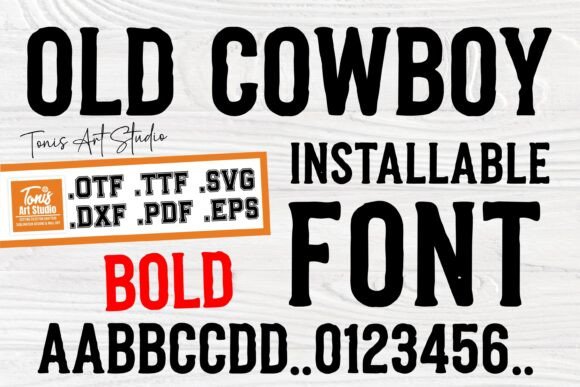
Old Cowboy Bold carries the rugged, unapologetic spirit of the Wild West, but it does not feel like a costume. It feels like a typeface that has been weathered by real hands. The thick strokes, the confident slant, and the slightly rough edges give it a personality that is both bold and inviting. When I printed my first label using this font, the text looked like it had been stamped onto the paper by a blacksmith. That kind of visual weight is exactly what I had been missing in my product line.
What Makes Old Cowboy Bold Stand Out in a Crowded Font Market
There are plenty of display fonts that claim to be rustic or western, but most of them fall into one of two traps. They are either too decorative to read at a small size, or they are so generic that they could pass for any other bold serif. Old Cowboy Bold avoids both pitfalls. It is unapologetically a display typeface, but it retains enough clarity to work on product labels, stickers, and even short phrases on mugs and tote bags. The letterforms are sturdy without being clunky, and the overall mood is adventurous without being cartoonish.
When I design printables for my shop, I need a font that communicates a story instantly. Old Cowboy Bold does that. It evokes campfires, leather saddles, and handwritten signs from old frontier towns. It is a premium font that feels like it has a history, even when it is used on a brand new digital download. That emotional resonance is invaluable for makers who want their products to feel authentic and handcrafted.
Using Old Cowboy Bold on Candle Labels and Product Packaging
My first real test with Old Cowboy Bold was a batch of candle labels for a limited fall collection. I wanted the words "Smoke & Sage" to feel like they had been burned into the glass. I printed the labels on kraft paper, cut them with my Cricut, and applied them to amber jars. The result was exactly what I had imagined. The bold strokes held up beautifully at the label size, and the slight irregularity in the character shapes made each label look like it had been hand-stamped.
For product packaging, readability is always a concern. If a font is too ornate, customers struggle to read the scent name or ingredients. Old Cowboy Bold strikes a balance. The letterforms are bold enough to catch attention from across a market booth, but they are clean enough that the words remain legible on a two-inch label. I have since used it for bath salt bags, lip balm tubes, and soap wrappers. Every time, the font adds a layer of rugged sophistication that elevates the perceived value of the product.
Greeting Cards, Wedding Invitations, and Stationery That Tell a Story
When a friend asked me to design her wedding invitations, she wanted something that felt like it belonged in a mountain lodge. I immediately thought of Old Cowboy Bold. The invitation suite featured a bold headline in the font, paired with a simple serif font for the body text. The combination worked perfectly. The display font anchored the design with a strong, romantic presence, while the serif kept the details readable and elegant.
For greeting cards, I use Old Cowboy Bold for short sentiments like "Happy Trails" or "Wishing You Well." The font gives these simple phrases a weight and warmth that standard script fonts cannot match. I have also used it on anniversary cards, birthday cards, and even a few sympathy cards where the recipient loved the outdoors. The font has a way of making the message feel personal and grounded, as if it were written by hand on a piece of reclaimed wood.
Printable Wall Art and Digital Downloads That Sell
One of the most popular uses for Old Cowboy Bold in my shop is printable wall art. Customers love rustic quotes about home, adventure, and family. I design these prints in standard sizes, and the font handles the large headlines beautifully. Because it is a display font, it is designed to be seen at a distance. That makes it ideal for wall art where the text is the focal point of the design.
I also use Old Cowboy Bold for digital templates, including planner pages, weekly goal sheets, and habit trackers. The font adds a touch of rugged charm to what might otherwise be a plain functional layout. When customers preview these templates in my listing images, they often comment on how the typography makes the design feel cohesive and intentional. That is the power of choosing the right display font for your brand identity.
Stickers, Boutique Tags, and Small Product Labels
Cutting small stickers with a Silhouette or Cricut requires a font that is thick enough to hold its shape at a tiny size. Old Cowboy Bold passes this test with ease. I have used it for sticker sheets featuring cowboy boots, cacti, and campfire motifs. The letters cut cleanly, and the details do not get lost even when the stickers are less than an inch wide. For boutique clothing tags, the font gives a handmade feel that complements natural fibers like linen and cotton.
I also use Old Cowboy Bold for hang tags on my tote bags and aprons. The font is heavy enough to be read quickly, which is important for tags that customers see on a retail rack. The boldness also makes the tag feel substantial, as if the product itself is built to last. That subtle psychological cue can make a difference in how customers perceive the quality of your merchandise.
Readability Advice for Cutting Machines and Small Format Printing
If you are using Old Cowboy Bold with a cutting machine, there are a few things to keep in mind. For very small stickers, keep the font size above 12 points to ensure the letters cut cleanly. The bold strokes are forgiving, but extremely thin details can sometimes cause the blade to skip. I always do a test cut on scrap vinyl before running a full sheet. For printed labels, I recommend using a slightly off-white or kraft paper background to let the font's rough edges shine. The contrast between the bold black lettering and a textured paper stock is where this font really comes alive.
For mugs and shirts, the font works best for short phrases of one to four words. Longer sentences can become overwhelming because the boldness of the letterforms demands attention. I save Old Cowboy Bold for headlines, product names, and key phrases, and I pair it with a lighter font for the supporting text. This approach keeps the design balanced and prevents the typography from feeling heavy.
Font Pairing Ideas for a Cohesive Brand Identity
Old Cowboy Bold is a strong personality, so it needs a partner that can hold its own without competing. I have found that a clean sans serif font works well for body text and product descriptions. The contrast between the rugged display font and the sleek modern sans serif creates a dynamic that feels both timeless and contemporary. For a more rustic look, I pair it with a simple serif font or a handwritten font that mimics natural ink strokes. The handwritten font adds a layer of warmth that complements the boldness of Old Cowboy Bold.
If you are designing a logo or a brand mark, consider using Old Cowboy Bold as the primary wordmark and a script font for a tagline. The combination feels intentional and layered, like a brand that has been around for generations. I have used this pairing for several clients who run farm-to-table businesses, outdoor gear companies, and artisan food shops. Every time, the typography helps tell the story of the brand before the customer even reads the words.
Licensing, File Formats, and What to Check Before You Sell
Before you start using Old Cowboy Bold on physical products, templates, or digital downloads, it is essential to understand the licensing terms. This is a commercial font, and the license determines whether you can use it on merchandise, printables, or SVG-style designs that you sell. Always check the included styles, alternates, ligatures, and swashes. Some versions of the font may include multiple weights or special characters that expand your design possibilities.
I also recommend verifying the file format compatibility with your design software. Old Cowboy Bold typically comes in OTF or TTF formats, both of which work with major programs like Adobe Illustrator, Canva, and Affinity Designer. If you plan to use the font for web design or social media graphics, check whether the license covers web embedding. For print projects, the font handles large sizes beautifully, but I always test it at the actual production size to make sure the details are crisp.
Multilingual support is another factor to consider if you sell to an international audience. Check whether the font includes accented characters for languages like Spanish, French, or German. This can save you from having to manually adjust letterforms later, especially if you design templates that other sellers will customize.
Seasonal Products and Limited Edition Designs
Old Cowboy Bold is a natural fit for seasonal craft designs. I use it for fall harvest labels, Christmas gift tags, and summer campfire stickers. The font has a warmth that makes it feel cozy in cooler months and adventurous in warmer ones. For holiday packaging, I pair it with deep greens, burnt oranges, and navy blues. The bold lettering pops against these rich colors, and the rustic feel of the font complements natural materials like twine, burlap, and wood veneer.
I also use Old Cowboy Bold for limited edition product runs. When I release a special scent or a seasonal printable set, the font helps signal that this is something unique. Customers recognize the typography from my previous designs, and that consistency builds trust over time. Brand recognition is not just about logos and colors. It is also about the typeface you choose to represent your shop.
Every time I open a new design file and type the first word in Old Cowboy Bold, I feel like I am stepping into a workshop where the tools are honest and the work is done by hand. That feeling translates into products that customers can sense are made with care. Whether you are printing candle labels, cutting sticker sheets, or designing a wedding invitation, this font gives your work a voice that is bold, grounded, and unmistakably yours.